
Home STI Test Types: Urine, Blood & Swab Tests
Home STI Test Types: Urine, Blood and Swab Tests Explained
A home STI test can offer a private and convenient way to check for common sexually transmitted infections from home. Depending on the test you choose, you may need to provide a urine sample, blood sample, swab sample, or a combination of sample types.
This guide explains how home STI testing works, what different sample types are used for, and when you may need a clinic appointment instead of a home test. It is designed to help you choose the most suitable STI test with confidence.
Key point: Different STIs require different types of samples. A urine test may be used for some bacterial infections, while blood testing is commonly used for infections such as HIV, syphilis and hepatitis markers.
What Is a Home STI Test?
A home STI test allows you to collect your own sample at home and send it to a laboratory for testing. The exact sample required depends on the infections being checked and the type of sexual contact you have had.
Home STI testing may be suitable for routine screening, reassurance after a new partner, or checking for common infections after possible exposure. If you have symptoms, significant pain, a visible sore, or feel unwell, you should seek medical advice rather than relying only on a home test.
What Can a Home STI Test Check For?
Depending on the panel selected, a home STI test may help identify markers linked to:
- Chlamydia
- Gonorrhoea
- HIV
- Syphilis
- Hepatitis B
- Hepatitis C
- Trichomonas vaginalis, where included in the test panel
- Mycoplasma genitalium, where included in the test panel
Not every home STI test checks for every infection. Always review the test panel before ordering so you know exactly what is included.
Types of Home STI Test Samples
The main types of home STI test samples are urine, blood and swabs. Some comprehensive STI screens use more than one sample type to provide broader testing coverage.

Urine STI Test
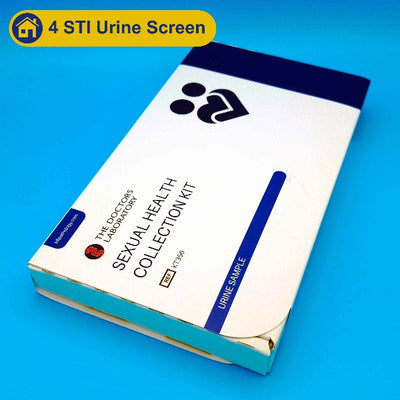
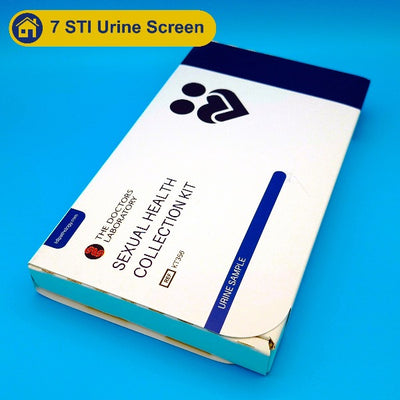
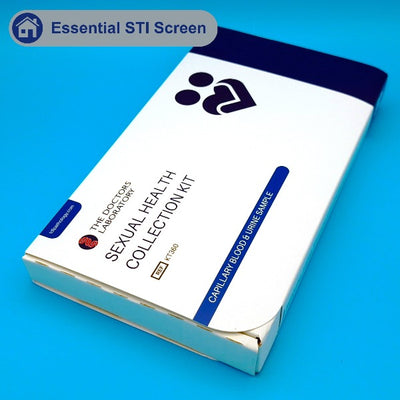
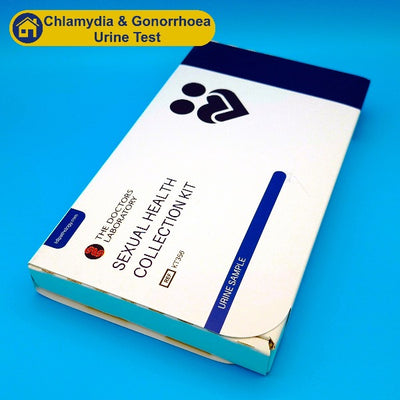
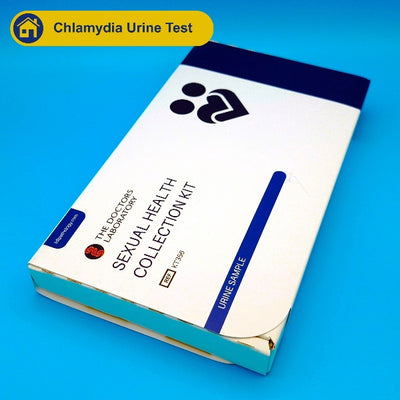
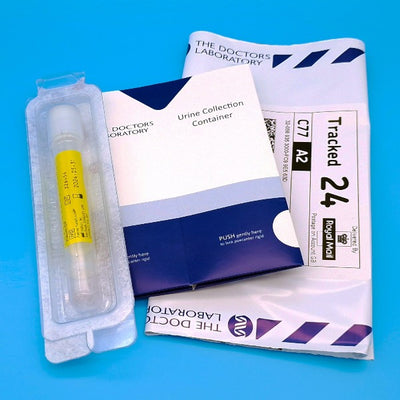
A urine STI test is commonly used to check for infections such as chlamydia and gonorrhoea, particularly in people with a penis. It may also be used in some test panels for other bacterial STIs.

Blood STI Test
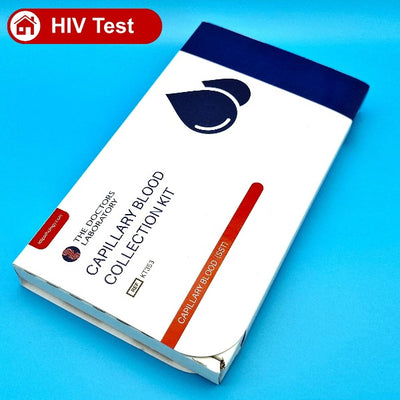
A blood sample is commonly used for infections such as HIV, syphilis, hepatitis B and hepatitis C. Blood testing checks for specific markers linked to these infections.

Swab STI Test
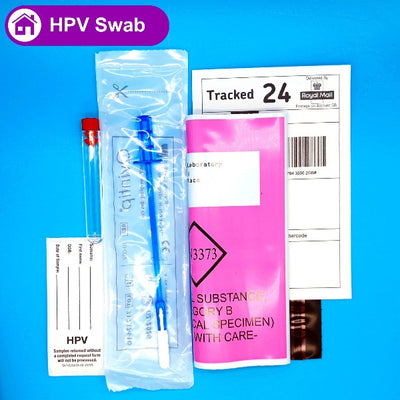
A swab sample may be taken from the vagina, throat or rectum, depending on symptoms, anatomy and the type of sexual contact. Swabs are often used for site-specific STI testing.
Urine STI Test: What Can It Detect?
A urine STI test is most commonly associated with chlamydia and gonorrhoea testing. These infections may affect the urethra and can sometimes cause symptoms such as discomfort when passing urine, discharge, or testicular discomfort.
However, many people with chlamydia or gonorrhoea do not notice symptoms. This is why routine screening can still be useful after unprotected sex, a new partner, or if a partner has tested positive.
When is a urine sample useful?
- Routine chlamydia and gonorrhoea screening
- Testing after unprotected vaginal or oral sex
- Testing when urinary symptoms are present
- Men’s STI screening panels
Blood STI Test: What Can It Detect?
A blood STI test is used when the infection being checked cannot be reliably detected from urine or a swab alone. Blood testing is commonly used for HIV, syphilis and hepatitis markers.
Blood tests may look for antibodies, antigens or other markers linked to infection. The type of blood test used depends on the infection and the test panel selected.
When is a blood sample useful?
- HIV screening
- Syphilis screening
- Hepatitis B testing
- Hepatitis C testing
- Comprehensive STI screening panels
Swab STI Test: Vaginal, Throat and Rectal Swabs
A swab STI test can check for infection at a specific site of exposure. This is important because an STI may be present in one area of the body but not another.
Vaginal swab
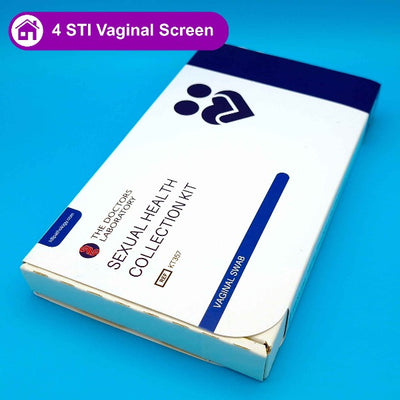
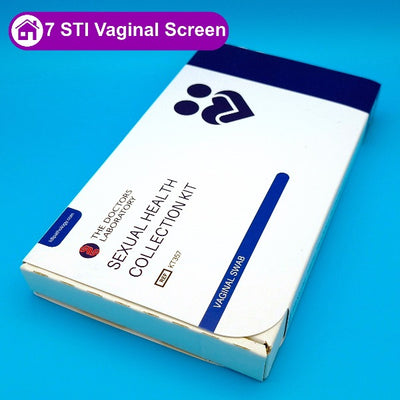
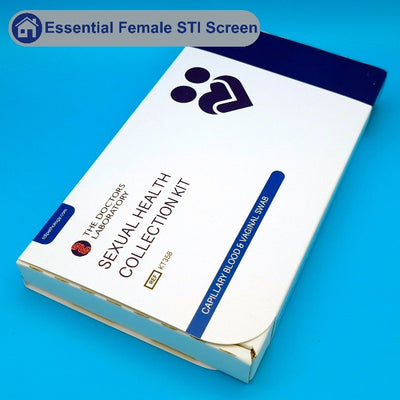
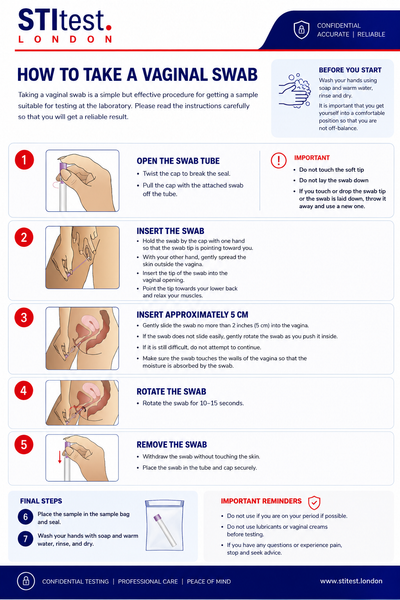
A vaginal swab may be used to check for infections such as chlamydia and gonorrhoea. For women and people with a vagina, a swab may be preferred for certain STI tests.
Throat swab
A throat swab may be recommended if oral sex has taken place and there is a need to check for infections such as throat chlamydia or throat gonorrhoea.
Rectal swab
A rectal swab may be recommended if anal sex has taken place or if rectal symptoms are present. Rectal testing helps check the site where exposure may have occurred.
Please note: If you have symptoms such as pelvic pain, testicular pain, rectal pain, bleeding, sores, fever, or unusual discharge, seek medical advice. A clinician may recommend examination, treatment or additional testing.
Home STI Test vs Clinic STI Test
Home STI testing may be a convenient option if you want privacy and do not currently need a physical examination. It can be suitable for routine screening and checking for common infections.
Clinic testing may be more appropriate if you have symptoms, need urgent advice, require treatment, are pregnant, have been sexually assaulted, or have been told that a recent partner has tested positive for an STI.
Home STI testing may be suitable if:
- You want discreet testing from home
- You are doing routine STI screening
- You do not have urgent symptoms
- You know which infections you want to test for
- You are comfortable collecting your own sample
Clinic STI testing may be better if:
- You have significant symptoms
- You need a physical examination
- You may need treatment quickly
- You are unsure which test is appropriate
- You need medical advice before or after testing
When Should You Take a Home STI Test?
The best time to test depends on the infection. This is because different infections have different window periods, meaning the time between possible exposure and when a test is more likely to detect markers linked to infection.
- Chlamydia and gonorrhoea: testing is commonly considered from around 2 weeks after exposure.
- HIV: some laboratory blood tests are most accurate after a longer window period.
- Syphilis: testing may need to be repeated depending on timing and risk.
- Hepatitis B and C: timing depends on exposure type and the test used.
If you test too early, repeat testing may be advised. If you have symptoms, you should not delay seeking medical advice.
Are Home STI Tests Accurate?
Home STI testing can be reliable when the correct test is selected, the sample is collected properly and the sample is processed by an appropriate laboratory. Accuracy can be affected by testing too soon after exposure, collecting the wrong sample type, or not following the instructions correctly.
For the best chance of a useful result, read the instructions carefully, collect the correct sample, and check whether your test covers the infections and body sites relevant to your exposure.
How to Choose the Right Home STI Test
When choosing a home STI test, consider:
- Which infections you want to check for
- Whether you need urine, blood, swab, or combined testing
- Whether exposure involved vaginal, oral or anal sex
- Whether you have symptoms
- How long it has been since possible exposure
- Whether doctor-reviewed results or follow-up support are available
A comprehensive STI screen may be suitable if you want broader testing coverage, while a single infection test may be appropriate if you have been advised to check for a specific STI.
Frequently Asked Questions
A home STI test may check for infections such as chlamydia, gonorrhoea, HIV, syphilis, hepatitis B and hepatitis C, depending on the test panel selected. Always check what is included before ordering.
The terms STI and STD are often used in similar ways. STI means sexually transmitted infection, while STD means sexually transmitted disease. Many UK services use the term STI because infections can be present without symptoms.
No. A urine test is commonly used for infections such as chlamydia and gonorrhoea, but it does not check for all STIs. Blood testing is usually needed for infections such as HIV, syphilis and hepatitis markers.
Blood samples are commonly used for HIV, syphilis, hepatitis B and hepatitis C testing. The test checks for specific markers linked to infection.
A swab may be recommended when testing a specific site, such as the vagina, throat or rectum. This may depend on symptoms, anatomy and the type of sexual contact.
Different infections have different window periods. Chlamydia and gonorrhoea testing is commonly considered from around 2 weeks after exposure, while blood tests for infections such as HIV and syphilis may need longer or repeat testing depending on timing and risk.
You can test if you have symptoms, but you should also seek medical advice. Symptoms such as pain, sores, bleeding, fever, pelvic pain, testicular pain or unusual discharge may need clinical assessment and treatment.
Home STI testing is designed to be discreet and confidential. Samples are collected at home and results are usually provided securely online.
If your test result suggests infection, you should seek medical advice. A healthcare professional can explain the result, discuss treatment options where appropriate and advise whether partners should also be tested.
Repeat testing may be advised if you tested too early, have ongoing risk, develop symptoms, or have been advised to retest by a healthcare professional.
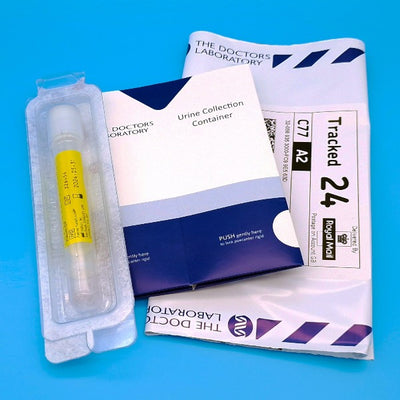
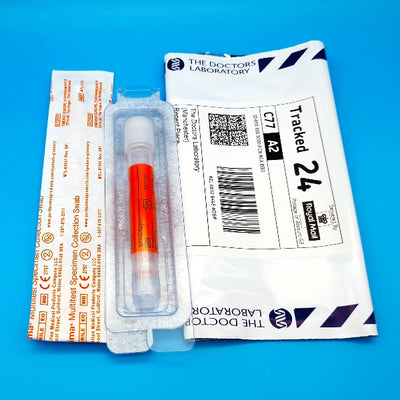
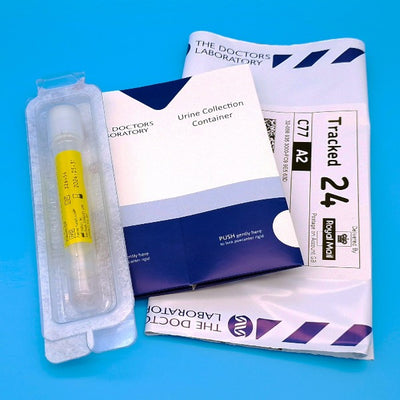
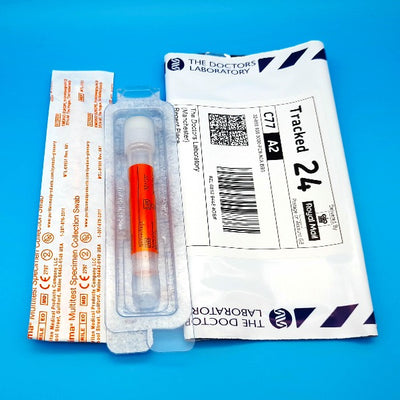
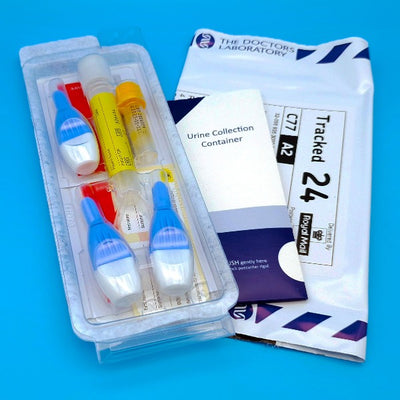
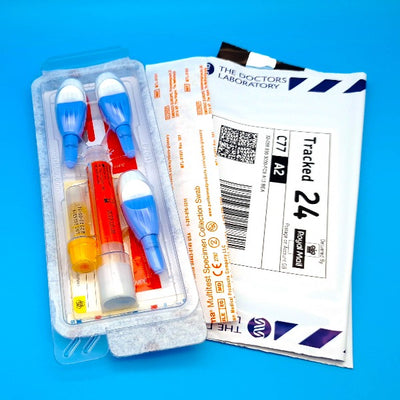
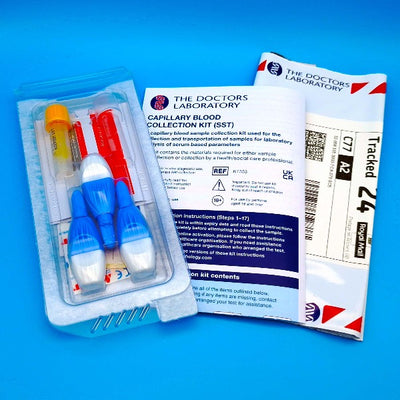
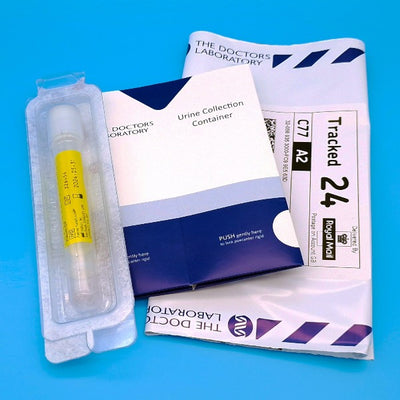
Choose from our wide range of STI test kits to suit your needs. Make sure to give your name, date of birth and gender. The lab needs these details to uniquely identify your sample. Your kit is sent by Royal Mail Track 24.
Follow the easy instructions included to collect your sample at home.
Use the prepaid envelope to send your sample to the lab.
Receive your results via email – discreet, fast, and reliable. Every result is seen by a doctor.
We'll tell you if we can offer treatment if it's necessary for any positive tests. This is delivered to you by our partner pharmacy (additional fee applies).
What our customers are saying
Professional
The staff were professional and made me feel completely at ease during my visit.
Quick Results
I received my results quickly and discreetly—couldn't have asked for a better experience
Convenience
Booking an appointment online was simple, and the clinic in Canary Wharf was conveniently located.
Peace of Mind
Their confidential service gave me peace of mind when I needed it most.
Results are typically available within 2–3 working days after the lab receives your sample.
Yes, your kit is sent in plain, unmarked packaging for your privacy. It's from AIS Health Ltd.
All results have a plain English explanation from a doctor with recommendation for treatment if needed. Need more explanation - just reply to our email. We cannot give results over the phone as we cannot identify the caller.
Yes, we ship across the UK and include a prepaid envelope for sample return.
Our Home STI Testing Kits